


Starting a research position in Japan comes with a lot of paperwork, and most of it arrives faster than you expect. Within days of signing your contract, you are likely sitting across from an HR administrator who slides a form toward you and points to a small circular field near the bottom. That field is for a hanko — your personal seal — and if you do not have one yet, the process stalls.
For foreign researchers, this moment tends to arrive before they have had time to figure out what a hanko actually is, let alone order one. The concept of a carved seal replacing a signature is not intuitive if you did not grow up with it, and the administrative systems in Japanese universities and research institutes have not all caught up with the reality that a large share of their incoming researchers are arriving from abroad.
This guide walks you through the HR onboarding side specifically. Not housing, not banking — though those matter too — but the employment documentation, institutional registration, and internal compliance paperwork that your HR office will hand you in the first week. You will learn why a hanko is asked for, which documents tend to require one, what type makes sense for a researcher’s situation, and how to order one in English before any of this becomes urgent.
Why This Segment Is Asked for a Seal
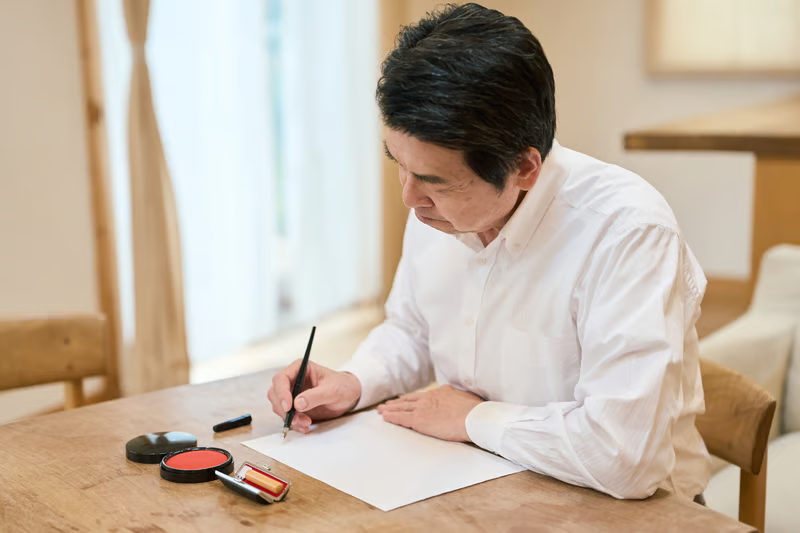
Research institutions in Japan — national universities, private universities, government-affiliated institutes, and private R&D organisations — operate within administrative frameworks that have used the hanko as the standard marker of personal authorization for generations. Even as digital workflows have expanded in some corners of Japanese bureaucracy, HR departments at research institutions often retain paper-based contract and registration processes where a seal impression is expected.
The hanko for researchers in Japan question is not just about tradition. It is also about institutional risk management. A seal impression tied to a named individual creates a clear, traceable record of authorization on a document. For HR offices processing dozens of contracts, stipend agreements, and compliance declarations, the seal field is a standardized checkpoint. When a foreign researcher arrives without one, it creates an exception that requires someone to make a judgment call — and that slows things down for everyone.
There is also a practical power dynamic worth understanding. HR administrators at research institutions are often not empowered to waive requirements on the spot. They follow process templates. If the template has a hanko field, they need something in it. Some institutions have updated their templates to accept signatures from foreign staff; others have not. You will not always know in advance which kind of institution you are joining.
Consider this scenario: a researcher from the Netherlands arrives at a national university on a two-year JSPS fellowship. His lab contact told him documentation was straightforward. On day two, HR hands him six forms — stipend registration, commuting allowance declaration, data handling agreement, emergency contact registration, health insurance enrollment, and an internal lab access form. Four of the six have hanko fields. His contact borrows a generic seal from the department drawer, which HR accepts with visible reluctance. The researcher spends the next week uncertain whether his paperwork is fully valid.
That kind of uncertainty is avoidable. A personal hanko in your own name, ordered before you arrive, costs little and removes the ambiguity entirely.
Common Documents and Timelines
HR onboarding in Japanese research institutions typically follows a compressed timeline. Most of the core documentation is handled in the first five to ten working days. Here is what tends to appear and when:
Employment or fellowship contract — This is usually the first formal document and often the one most people assume will accept a signature. In many institutions it will, particularly if the HR department has an established process for foreign hires. But not always. Confirm with your HR contact before arrival whether a hanko is required on your specific contract type.
Stipend or salary registration forms — These establish the bank account into which your income will be paid and commonly require a seal impression that matches your bank seal. If you have not yet set up a Japanese bank account, this step may be temporarily deferred, but HR will follow up quickly.
Social insurance and pension enrollment — Researchers on contracts of a certain length are enrolled in Japan’s shakai hoken system. The paperwork for this frequently includes hanko fields and is processed early in onboarding.
Commuting allowance declaration — If your institution provides a commuting subsidy, which many do, the application form often requires a seal.
Internal compliance and data handling agreements — Research institutions dealing with sensitive data, government funding, or international collaborations commonly require researchers to sign compliance declarations. These internal documents frequently retain hanko fields even when external-facing contracts have been updated.
Lab or department registration forms — Depending on your institute, you may also sign forms at the department level that are separate from central HR paperwork.
Common mistakes researchers make during this phase:
- Waiting until arrival to think about the hanko, then losing days to shipping or hunting for a custom seal locally.
- Assuming the HR contact’s reassurance that “a signature is fine” covers every form in the stack — it often covers the main contract but not the subsidiary forms.
- Using a borrowed or generic seal, which creates a mismatch between the seal impression and the researcher’s registered name.
- Not keeping the seal and ink pad together, arriving to an appointment with one but not the other.
- Ordering a jitsuin (registered seal) when a simpler mitomein covers everything in the HR onboarding stack.
Recommended Hanko Type and Size
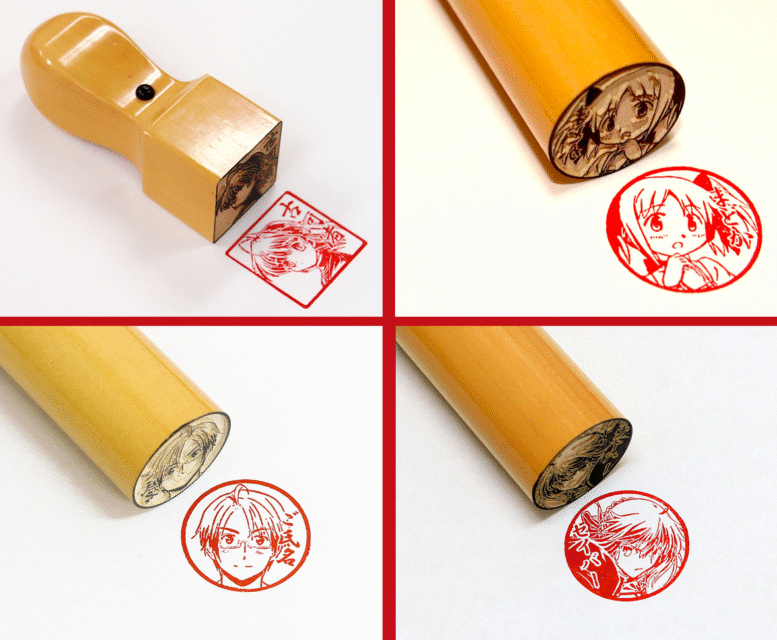
For HR onboarding purposes, a mitomein — a personal everyday seal — is the appropriate choice for the overwhelming majority of documents. Employment forms, insurance enrollment, compliance declarations, and departmental registration all fall within the scope of what a mitomein is designed for. You do not need a formally registered seal for this paperwork.
A ginkoin (bank seal) becomes relevant once you are setting up your Japanese bank account for salary payments, but many researchers simply use their mitomein for this purpose as well, keeping the same seal across both contexts. Whether you separate them is a matter of personal preference; either approach is commonly accepted.
A jitsuin (registered seal, formally registered at city hall) is not needed for HR onboarding. It comes into play for higher-stakes legal transactions — property purchases, certain visa-related documents — that fall outside the scope of standard research employment paperwork.
On size: 10.5mm or 12mm in diameter is the standard range for a personal mitomein. This is the size HR administrators expect to see on personal documents. Larger seals are associated with business or corporate use and would look out of place on individual employment forms.
On material: resin and wood are functional and affordable. For a multi-year research contract, a slightly more durable material — acrylic, buffalo horn, or titanium — is worth considering, as the seal will see regular use across many documents over its lifespan.
On name rendering: your hanko should reflect the name on your residence card and official documents. For foreign names, katakana is the standard and widely accepted script. A phonetic katakana rendering of your name is unambiguous, practical, and raises no issues with HR staff or administrators.
Ordering Tips in English
The barrier to ordering a hanko has dropped significantly for English-speaking foreigners, but a few practical points will help you avoid the most common ordering errors.
Order two to three weeks before your start date. This gives you a buffer for shipping and means the seal is in your hands before your first HR appointment, not after.
Match the name exactly. The name on your seal should match the name on your residence card and the name HR will use on your employment documents. If there is any ambiguity about how your name will be rendered in katakana, resolve it at the ordering stage, not after the seal has been made.
Choose a legible font. Ornate or highly stylized fonts can make the impression difficult to read. HR administrators sometimes need to compare the seal impression against your name on file. A clean font removes that friction.
Confirm ink is included or ordered separately. Vermilion (red) ink is standard for personal seals in Japan. Some seals come with a built-in ink pad; others require a separate pad. Make sure you have both before your first appointment.
Keep everything together. A small pouch or case that holds both the seal and the ink pad means you are never caught with one but not the other. This sounds minor until you are standing at an HR counter.
If you’re still looking for the right role, ComfysCareer is a solid starting point for foreigner-friendly jobs in Japan.
HankoHub is built with exactly this use case in mind — foreigners who need a correctly formatted personal seal and want to order in English without navigating Japanese-only interfaces. The katakana rendering of foreign names is handled as part of the order process, and the available options are explained clearly for people who are not already familiar with hanko types and sizes.
FAQ
Will my institution definitely require a hanko, or might a signature be enough? It varies by institution and by document type. Many Japanese research institutions have updated their main employment contracts to accept signatures from foreign staff, but subsidiary HR forms — insurance enrollment, compliance declarations, internal registrations — often still include hanko fields. The safest approach is to have a seal ready regardless and confirm with your HR contact about specific documents.
Can I use a convenience store seal for HR paperwork? Pre-made seals from convenience stores and 100-yen shops carry common Japanese surnames. They will not have your name on them, which makes them unsuitable for official HR documents that need to be tied to your identity. They are also sometimes rejected outright by administrative staff. A custom seal with your actual name is the correct choice.
Is katakana acceptable for my name on the seal? Yes, entirely. Katakana is the standard script used to write foreign names in Japanese, and it is universally understood in HR and administrative contexts. Your seal does not need kanji to be accepted.
Do I need to register my hanko anywhere? For standard HR onboarding documents, no registration is required. A mitomein is used without registration for everyday and employment paperwork. Registration at city hall (creating a jitsuin) is only necessary for specific high-stakes legal documents, which are unlikely to appear during typical research employment onboarding.
What if I have already started work without a hanko? Ask your HR contact which outstanding documents still have hanko fields pending. Order your seal as soon as possible and follow up with HR once it arrives. Most institutions will allow you to complete the seal fields on any documents that were temporarily deferred.
What about digital hanko? Some institutions have introduced digital seal workflows for internal approvals and email-based documentation. If your institute uses such a system, a digital hanko can be useful for day-to-day admin. However, for formal HR onboarding documents — contracts, insurance forms, compliance declarations — a physical seal remains the standard expectation at most research institutions in Japan.
Next Steps

If your research position in Japan is starting soon, sorting your hanko now is one of the most practical things you can do before your first HR appointment. Head to HankoHub to order a personal seal in English, confirm how your name will appear in katakana, and have it ready before the paperwork stack lands on your desk. It is a small preparation that keeps your onboarding moving cleanly from the first day.